Back and neck
Low back pain, neck pain, tension built up by desk work, driving or long hours spent sitting.
Dakar, Senegal
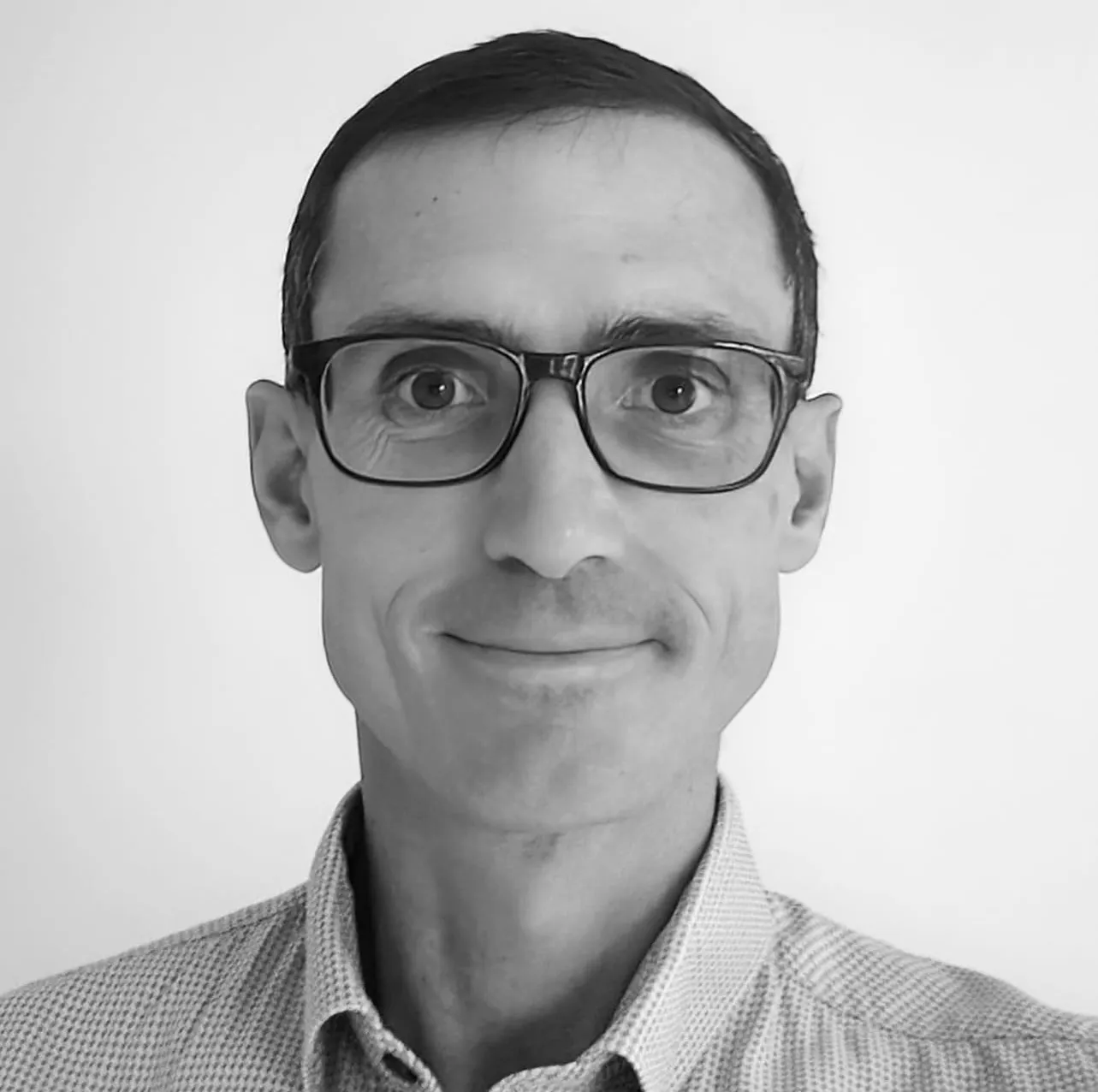
Osteopath D.O.
Osteopathy and mobility. I practise at Centre Cocoon in Dakar, in English and in French.
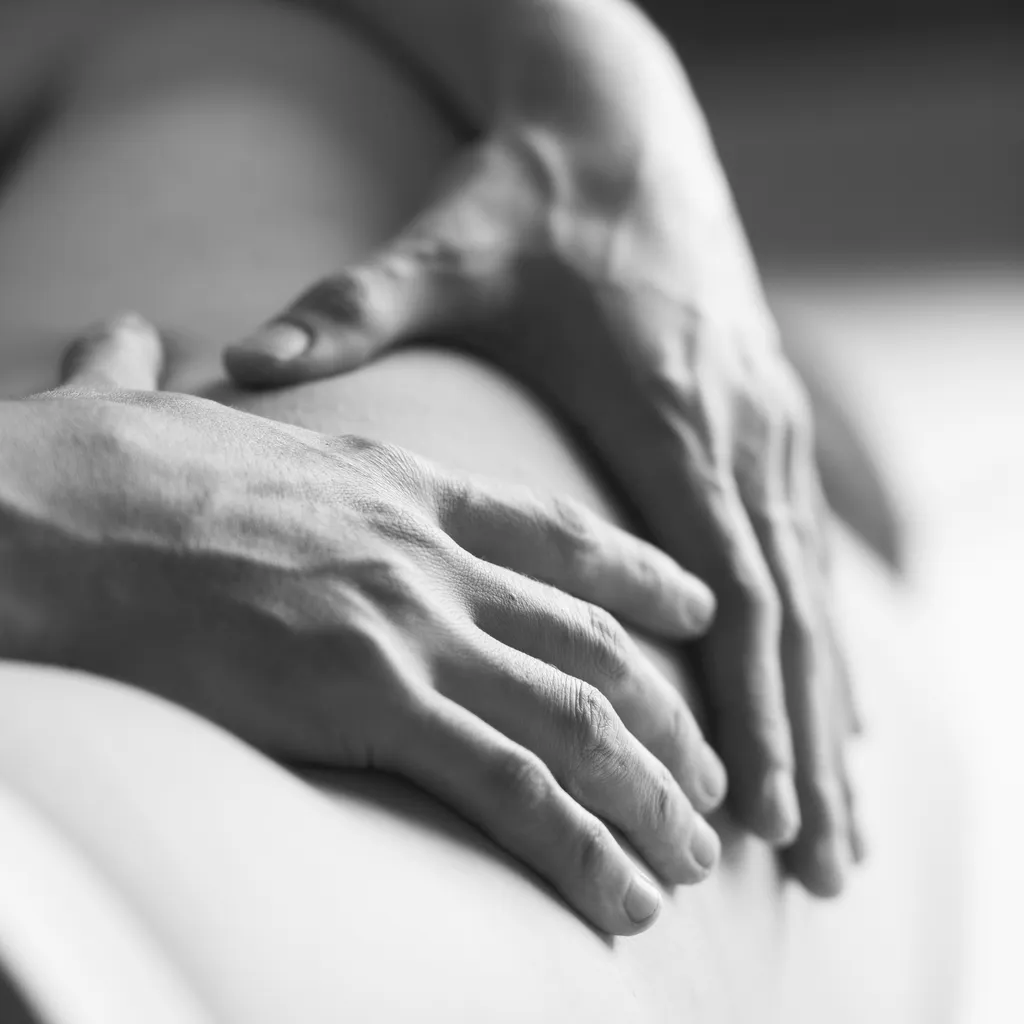
Moving, and becoming aware of your own body, are the two keys to progress.
My approach
Easing pain is a first step. Understanding your body and learning to move it better is what makes progress last.
Every person is different, and every history deserves to be heard properly. My work is to support you in a way that fits you, taking into account your pain, your habits, your constraints and your goals, so that you can move more freely and keep it that way.
My conviction is a simple one: moving, and becoming aware of your own body, are the two keys to progress. Understanding what is happening, regaining confidence in your movement and gradually taking charge of your body again are, to me, what makes treatment work.
Background
Over the course of my career I have treated patients with very different profiles, in osteopathy and movement support. Several years of practice abroad broadened my clinical experience and gave me a wide range of situations to handle, from everyday complaints to sport.
Sport holds an important place in my practice. I have worked with athletes at various levels and built up experience with musculoskeletal problems, with particular attention to the lower limbs, as well as the cervical and thoracic regions and the upper limbs. Beyond the injury itself, I put a lot of weight on prevention, on tracking progress and on adapting training to each person’s goals.
State diploma in physiotherapy
IFMK de Lyon, Université Claude Bernard, France.
Diploma in osteopathy, D.O.
MTM Ostéopathie, Versailles, France.
Niromathé technique
Vertebral and peripheral reflex method, France.
Specialisation in sports physiotherapy
Kiné Sport Formation, France.
Further training
Kinesio taping, trigger points, structural manipulation techniques, running injury prevention and postural work.
Why people come in
The people I see range from children to older adults, including athletes at every level. The reasons vary, the method does not: look for the source of the problem, not just the spot that hurts.
Low back pain, neck pain, tension built up by desk work, driving or long hours spent sitting.
Muscle and joint injuries, returning after a break, prevention, progress tracking and training adjustments.
Postural changes that come with pregnancy, and support for the body in the months after birth.
Restricted mobility and support through growth.
Long-standing joint pain, stiffness, osteoarthritis and loss of mobility that gets in the way of daily life.
Postural imbalance, work-related tension and the fatigue that comes with repetitive movement and long days.
Two complementary approaches
Osteopathic treatment looks for and addresses restrictions in muscles, ligaments, nerves and joints, helping the body find its balance and efficiency again.
The practice draws on osteopathic, medical and scientific knowledge, applied to assessment and treatment. The osteopath evaluates the structural and functional integrity of the body in order to build care tailored to that one person. It can be preventive, curative, palliative, or run alongside other care.
My original training as a physiotherapist informs every session. Movement, exercise, manual therapy, explanation and advice are the tools that help people recover from injury, illness or surgery, and stay independent for as long as possible.
It is a whole-person approach that takes lifestyle into account, not just the symptom. And at its centre sits your own involvement. Understanding what is going on and taking an active part in your own care is what makes the difference over time.
How it goes
A consultation lasts around 45 minutes.
Time to listen: why you are here, your history, how you live and what you expect from the session.
A full assessment. Mobility testing, palpation and movement observation, to find the source of the problem beyond the painful area.
Hands-on work adapted to you and to your situation, on joints, muscles, ligaments and soft tissue.
A few pieces of advice and simple exercises to do at home, so that the benefit of the session holds over time.
Good to know
Consultations are held in English or in French, whichever you prefer.
Allow around 45 minutes for a session, a little longer for a first consultation.
Please let me know at least 24 hours in advance if you cannot make it, so the slot can be offered to someone else.
Generally speaking, some private insurers cover osteopathy. Terms differ from one policy to the next, so the safest thing is to check directly with your insurer.
Contact
I see patients on Tuesdays and Thursdays from 9:30 am to 1:30 pm. Appointments are made by phone or by email. Write to me or call, either directly or through the front desk at the centre.
Session fee
CFA 35,000
My phone
+221 78 790 42 41Front desk
+221 76 501 19 76Address
Centre Cocoon
95 rue MZ 68
Dakar, Sénégal